


Hey there! As a supplier of Plug in Terminal Blocks, I often get asked a bunch of questions about these nifty little components. One question that pops up quite frequently is, “Do Plug in Terminal Blocks have a locking mechanism?” Well, let's dive right into it and find out.
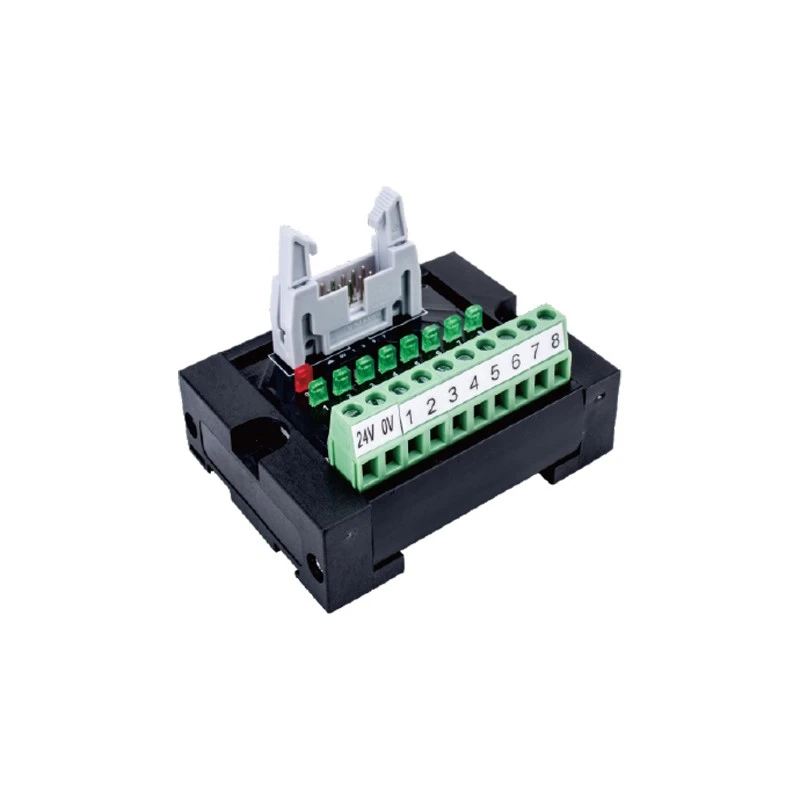
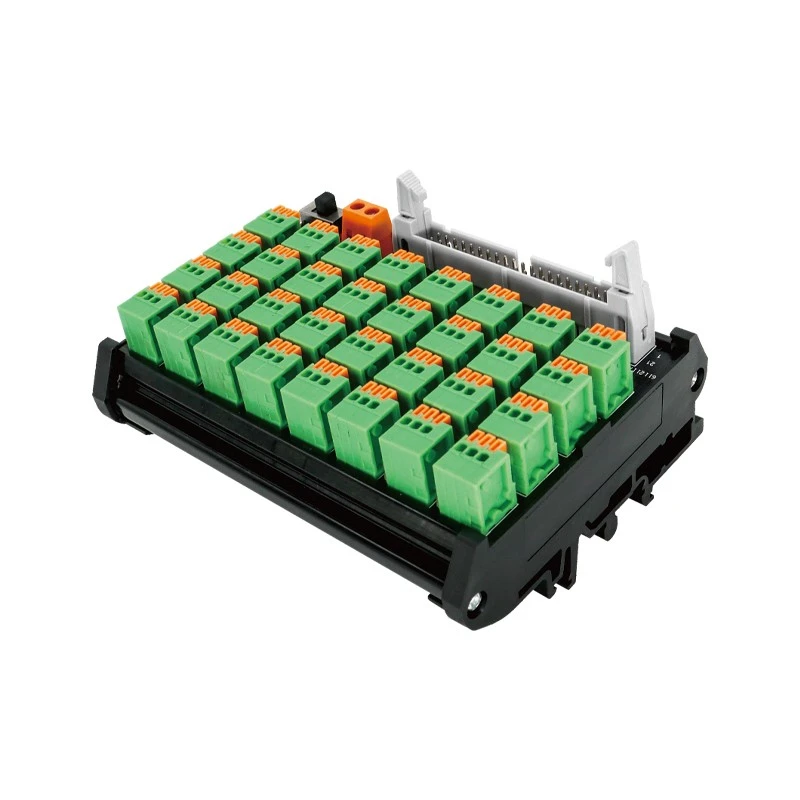
First off, let's understand what Plug in Terminal Blocks are. These are essential parts used in electrical systems to connect wires together easily and securely. They're super handy in a wide range of applications, from industrial machinery to home electrical setups. You can check out our Plug in Terminal Block for more detailed info.
Now, onto the big question. The answer is: it depends. Some Plug in Terminal Blocks do come with a locking mechanism, while others don't. The presence of a locking mechanism is mainly determined by the design and intended use of the terminal block.
Why a Locking Mechanism?
Let's talk about why some Plug in Terminal Blocks have a locking mechanism in the first place. In environments where there's a lot of vibration, movement, or where the connections need to be extra secure, a locking mechanism is a game - changer. For example, in industrial settings, machines are constantly running and vibrating. Without a proper locking mechanism, the terminal block connections could loosen over time, leading to electrical issues, malfunctions, or even safety hazards.
A locking mechanism ensures that the connection between the plug - in part and the base of the terminal block remains tight and secure. This not only maintains the integrity of the electrical connection but also gives you peace of mind, knowing that your system is running smoothly.
Types of Locking Mechanisms
There are a few different types of locking mechanisms you might come across in Plug in Terminal Blocks.
-
Snap - Lock Mechanisms: These are quite common. They work by “snapping” the plug - in part onto the base. When you insert the plug into the terminal block, it clicks into place, creating a secure connection. This type of locking mechanism is easy to use and provides a reliable hold. It's great for applications where you need to make quick connections and disconnections.
-
Twist - Lock Mechanisms: As the name suggests, you twist the plug - in part while inserting it into the terminal block. This twisting action locks it in place. Twist - lock mechanisms are often used in high - vibration environments because they offer a very strong and stable connection. They're a bit more of a hassle to use compared to snap - lock mechanisms, but the trade - off is a more secure connection.
When Locking Mechanisms Aren't Needed
However, not all applications require a locking mechanism. In some low - vibration or less critical environments, a simple plug - in terminal block without a lock can do the job just fine. For example, in a small home electrical project like connecting a few lights or a small appliance, a non - locked terminal block can be sufficient. It's also more cost - effective, which is an important factor for many DIYers and small - scale projects.
Comparing with Other Terminal Blocks
Let's take a look at how Plug in Terminal Blocks with locking mechanisms stack up against other types of terminal blocks.
-
European Input Terminal Block: These often have different designs and features compared to Plug in Terminal Blocks. Some European Input Terminal Blocks also have locking mechanisms, especially those used in high - end industrial applications. However, they may focus more on compatibility with European electrical standards and may have a different physical appearance and connection method.
-
Screw Type Terminal Block: These rely on screws to secure the wires. While they provide a very secure connection, they can be time - consuming to install and may require tools. Plug in Terminal Blocks with locking mechanisms, on the other hand, offer a faster and more convenient installation process.
-
MIL Connector Terminal Block: These are designed for military - grade applications and typically have very robust locking mechanisms. They are built to withstand extreme conditions and provide a highly reliable electrical connection. In comparison, Plug in Terminal Blocks can be more versatile for a wider range of applications, and their locking mechanisms may be less complex but still effective for most non - military uses.
Choosing the Right Plug in Terminal Block
When it comes to choosing whether you need a Plug in Terminal Block with a locking mechanism or not, you need to consider a few factors.
-
Environmental Conditions: If your application is in a high - vibration, high - movement, or humid environment, a locking mechanism is highly recommended. It will help maintain the connection integrity over time.
-
Safety Requirements: In applications where safety is a top priority, such as in critical electrical systems or equipment with high - voltage components, a locked terminal block is a must.
-
Cost and Ease of Installation: If you're on a tight budget or need a quick and easy installation, a non - locked terminal block might be the way to go. However, don't sacrifice safety and reliability for cost.
As a supplier, I've seen first - hand how the right choice of Plug in Terminal Block can make or break an electrical project. We offer a wide range of European Style Input Terminal Block options, both with and without locking mechanisms, to suit different needs.
If you're in the market for Plug in Terminal Blocks or have any questions about which one is right for your project, don't hesitate to reach out. We're here to help you make the best decision for your electrical connections. Whether you're an industrial contractor, a DIY enthusiast, or someone working on a small - scale electrical project, we've got the products and the expertise to support you.
Contact us to start a conversation about how our Plug in Terminal Blocks can meet your requirements. We're looking forward to working with you and helping you find the perfect solution for your electrical needs.
References
- Electrical Installation Handbook
- Terminal Block Industry Standards and Guidelines


