


Hey there! As a supplier of Control Cabinet Terminal Blocks, I've seen firsthand how important it is to protect these little components from physical damage. Terminal blocks are the unsung heroes of the electrical world, quietly doing their job of connecting wires and ensuring a smooth flow of electricity. But they're also pretty vulnerable to all sorts of physical threats. So, let's dive into some practical ways to keep your control cabinet terminal blocks in tip - top shape.
1. Proper Installation is Key
First things first, getting the installation right from the start can prevent a whole lot of future problems. When you're installing Control Cabinet Terminal Block, make sure you're following the manufacturer's instructions to the letter. Use the right tools for the job, like a torque - controlled screwdriver. Over - tightening or under - tightening the screws can lead to issues. Over - tightening might strip the threads or damage the terminal block itself, while under - tightening can cause loose connections, which can generate heat and eventually lead to failure.
Also, pay attention to the spacing between terminal blocks. They need enough room so that you can access them easily for maintenance or future modifications. If they're crammed too close together, it's easy to accidentally bump into them during work, which can cause physical damage.
2. Use Protective Enclosures
One of the simplest and most effective ways to protect terminal blocks from physical damage is to use a good quality protective enclosure. A well - designed enclosure can shield the terminal blocks from dust, dirt, moisture, and accidental impacts. For example, a Combined Terminal Block Box provides a secure and enclosed space for multiple terminal blocks.
These enclosures come in different materials, like plastic, metal, or fiberglass. Plastic enclosures are lightweight and affordable, while metal enclosures offer better protection against impacts and electromagnetic interference. Fiberglass enclosures are a good option if you need something that's resistant to corrosion and chemicals.
When choosing an enclosure, make sure it's the right size for your terminal blocks. It should have enough room for all the connections and any additional components you might need, like fuses or jumpers. And don't forget to seal the enclosure properly to keep out dust and moisture.
3. Label Everything Clearly
You might be thinking, "What does labeling have to do with protecting terminal blocks from physical damage?" Well, it has a lot to do with it! When everything is clearly labeled, you and your team are less likely to make mistakes during maintenance or troubleshooting.
Imagine you're working in a control cabinet with a bunch of terminal blocks. If they're not labeled, you might accidentally pull the wrong wire or bump into a terminal block while trying to find the right one. This can cause damage to the terminals or the wires. But if each terminal block and wire is clearly labeled with its function, voltage, and other relevant information, you can work more safely and efficiently.
You can use adhesive labels, engraved tags, or even a digital labeling system. Just make sure the labels are durable and resistant to fading, so they'll last as long as the terminal blocks themselves.
4. Implement Routine Inspections
Regular inspections are crucial for catching any potential problems before they turn into major disasters. Set up a schedule for inspecting your control cabinet terminal blocks. During these inspections, look for signs of physical damage, like cracks, chips, or bent pins. Check the connections to make sure they're tight and there's no sign of overheating, which can be indicated by discoloration.
Inspect the enclosures as well. Make sure they're still in good condition and the seals are intact. If you find any issues during the inspection, address them immediately. You might need to replace a damaged terminal block or repair the enclosure.
5. Train Your Staff
Your staff plays a big role in protecting your terminal blocks. Make sure they're properly trained on how to handle and work with terminal blocks. Teach them the importance of gentle handling and the correct procedures for installation, maintenance, and troubleshooting.
For example, show them how to use the tools correctly and how to avoid putting too much pressure on the terminal blocks. Provide them with safety guidelines and make sure they understand the potential consequences of physical damage to the terminal blocks, like system failures or electrical hazards.
6. Protect Against Vibration
Vibration can be a real problem for terminal blocks. Over time, constant vibration can cause the screws to loosen, the wires to break, or the terminal blocks to crack. If your control cabinet is located in an area with a lot of vibration, like near a motor or a generator, you need to take steps to protect the terminal blocks.
You can use vibration - damping materials, like rubber pads or mounts, to isolate the terminal blocks from the source of vibration. Another option is to use terminal blocks with anti - vibration features, such as locking mechanisms or special designs that help keep the connections secure.
7. Consider the Environment
The environment where your control cabinet is located can have a big impact on the terminal blocks. If the area is prone to extreme temperatures, humidity, or chemical exposure, you need to take extra precautions.
For high - temperature environments, make sure the terminal blocks are rated for the temperature range. You might also need to install cooling systems in the control cabinet to keep the temperature within a safe limit. In humid environments, use terminal blocks with good moisture resistance and make sure the enclosure is well - sealed.
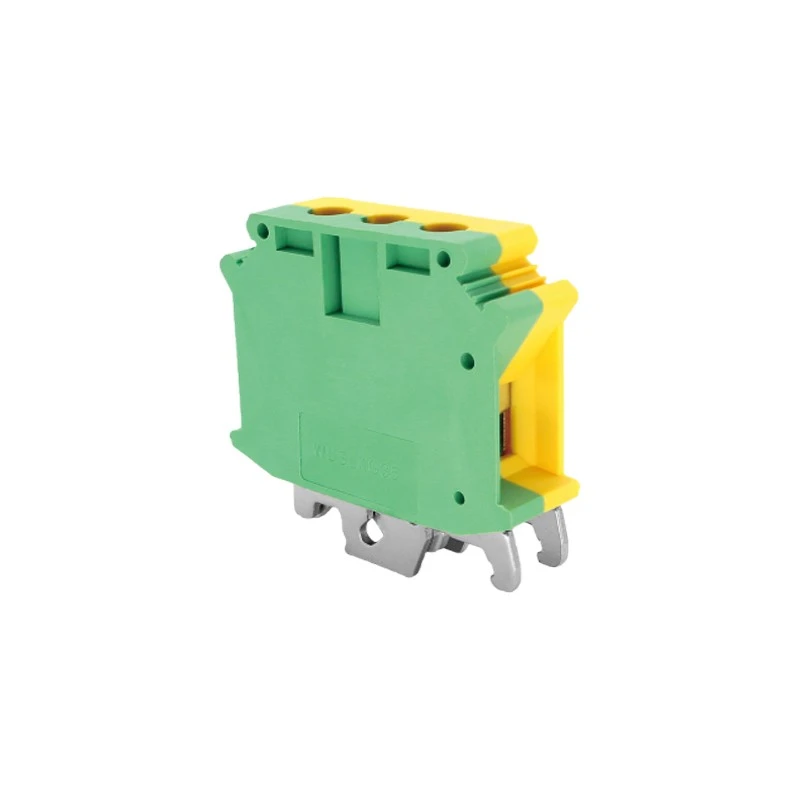
If there's a risk of chemical exposure, choose terminal blocks made from materials that are resistant to the specific chemicals. For example, Screw Ground Terminal made from corrosion - resistant materials can be a good choice in a corrosive environment.
8. Use Proper Cable Management
Good cable management is not only important for keeping your control cabinet organized but also for protecting the terminal blocks. When cables are properly routed and secured, they're less likely to put stress on the terminal blocks.
Use cable ties, clips, or cable trays to keep the cables in place. Make sure the cables are not pulling on the terminal blocks, as this can cause the connections to loosen or the terminal blocks to break. Also, avoid sharp bends in the cables near the terminal blocks, as this can damage the wires.
9. Backup and Redundancy
In some critical applications, it might be worth considering backup and redundancy for your terminal blocks. This means having spare terminal blocks or redundant circuits in place. If one terminal block fails due to physical damage, the backup can take over, ensuring that your system keeps running.
For example, you can use Double Deck Terminal Block which provides additional connection points. In case one set of connections is damaged, you can use the other set.
10. Stay Up - to - Date with Technology
The world of terminal blocks is constantly evolving, and there are always new technologies and products available that can offer better protection. Keep an eye on industry trends and new product releases. You might find that there are terminal blocks with improved designs, better materials, or enhanced protection features that can help you protect your terminal blocks from physical damage.
In conclusion, protecting control cabinet terminal blocks from physical damage is a multi - faceted task. By following these tips, you can significantly reduce the risk of damage and ensure the long - term reliability of your electrical systems. If you're in the market for high - quality Control Cabinet Terminal Block or need more information on how to protect them, don't hesitate to reach out. We're here to help you find the best solutions for your needs.

References
- Electrical Installation Handbook: A comprehensive guide on electrical systems and components.
- Terminal Block Manufacturer's Documentation: Information provided by terminal block manufacturers on installation, use, and maintenance.


