


Markings on pull spring terminals serve as crucial indicators that convey a wealth of information about these essential electrical components. As a supplier of pull spring terminals, I understand the significance of these markings and how they guide both professionals and hobbyists in selecting and using the right terminals for their electrical applications.
Understanding the Basics of Pull Spring Terminals
Pull spring terminals are a type of electrical connector commonly used in various industries, including automotive, industrial automation, and home electrical systems. They are designed to provide a secure and reliable connection between electrical wires and other components. The unique feature of pull spring terminals is their use of a spring mechanism that allows for easy and quick installation and removal of wires.
The Purpose of Markings on Pull Spring Terminals
The markings on pull spring terminals are not just random symbols or numbers; they are carefully designed to convey specific information about the terminal. This information helps users to ensure that they are using the right terminal for their application, which is crucial for safety and performance.
One of the primary purposes of markings is to indicate the terminal's ratings. These ratings typically include the maximum voltage and current that the terminal can safely handle. For example, a terminal marked with “250V 10A” can safely be used in an electrical circuit where the voltage does not exceed 250 volts and the current does not exceed 10 amperes. Using a terminal with a lower rating than required can lead to overheating, which can cause damage to the terminal and the surrounding components, and in some cases, pose a fire hazard.
Another important piece of information provided by markings is the wire size compatibility. Pull spring terminals are designed to work with specific wire gauges. The markings will indicate the minimum and maximum wire sizes that the terminal can accommodate. For instance, a marking of “18 - 12 AWG” means that the terminal is suitable for wires ranging from 18 American Wire Gauge (AWG) to 12 AWG. Using a wire that is too large or too small for the terminal can result in a poor connection, which can lead to electrical problems such as intermittent power or signal loss.
Types of Markings
There are several types of markings that can be found on pull spring terminals. These include numerical markings, color markings, and symbol markings.
Numerical Markings
Numerical markings are the most common type of markings on pull spring terminals. They are used to indicate the terminal's ratings, wire size compatibility, and other technical specifications. For example, the voltage and current ratings are usually indicated in volts and amperes, respectively. The wire size is often indicated in AWG.
Color Markings
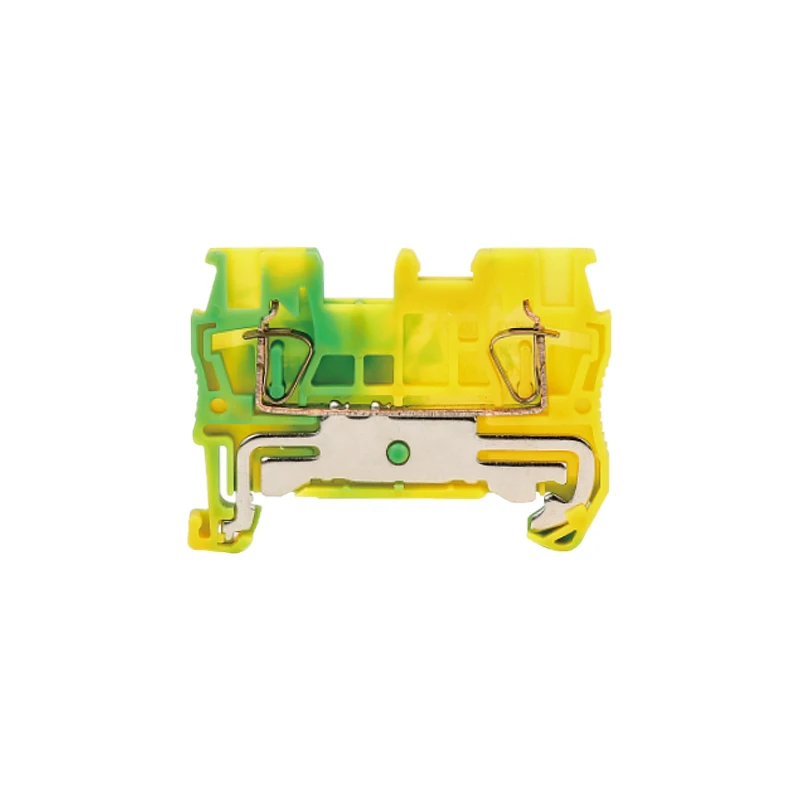
Color markings are sometimes used to provide additional information or to distinguish between different types of terminals. For example, a terminal with a green marking might indicate that it is an earth terminal, which is used for grounding purposes. In electrical systems, grounding is essential for safety as it provides a path for electrical current to flow in the event of a fault, preventing electrical shock and damage to equipment.
Symbol Markings
Symbol markings are used to convey specific information using internationally recognized symbols. For example, a symbol of a lightning bolt might indicate that the terminal is suitable for use in high - voltage applications. These symbols are standardized to ensure that they can be understood by users from different countries.
Importance of Markings in Different Industries
The importance of markings on pull spring terminals varies from industry to industry.
Automotive Industry
In the automotive industry, pull spring terminals are used in a wide range of applications, from the electrical wiring in the engine compartment to the interior lighting systems. The markings on these terminals are crucial for ensuring the safety and reliability of the vehicle's electrical system. For example, the terminals used in the engine control unit need to be rated for high - temperature and high - vibration environments. The markings help automotive technicians to select the right terminals for these demanding applications.
Industrial Automation
In industrial automation, pull spring terminals are used to connect sensors, actuators, and other control devices. The markings on the terminals ensure that the electrical connections are made correctly, which is essential for the proper functioning of the automation system. For example, in a manufacturing plant, a faulty electrical connection can lead to production downtime, which can be costly for the company.
Home Electrical Systems
In home electrical systems, pull spring terminals are used for wiring outlets, switches, and light fixtures. The markings on these terminals help homeowners and electricians to select the right terminals for the job, ensuring the safety of the household. For example, when installing a new light fixture, using a terminal with the correct voltage and wire size ratings is essential to prevent electrical problems.
Examples of Pull Spring Terminals and Their Markings
As a supplier, we offer a wide range of pull spring terminals with different markings to meet the needs of various applications. Let's take a look at some of our products:
- Earth Terminal 10mm: This terminal is marked with a green color to indicate that it is an earth terminal. It also has numerical markings indicating its voltage and current ratings, as well as the wire size compatibility. The large size makes it suitable for applications where a higher current capacity is required.
- 4mm Push Pull Terminal Block: This terminal block is designed for easy installation and removal of wires. The markings on this terminal block provide information about the maximum voltage and current it can handle, as well as the wire size range. The 4mm size makes it a versatile option for many electrical applications.
- Earth Terminal 1.5mm: This smaller earth terminal is marked with a green color and has markings indicating its technical specifications. It is suitable for applications where space is limited and a lower current capacity is sufficient.
- Earth Terminal 6mm: The 6mm earth terminal has markings that clearly show its voltage and current ratings, as well as the compatible wire sizes. It is a popular choice for medium - current grounding applications.
- Earth Terminal 4mm: This terminal is marked with the necessary information to ensure proper use in grounding applications. The 4mm size makes it a good balance between size and current - carrying capacity.
How to Read and Interpret the Markings
Reading and interpreting the markings on pull spring terminals is relatively straightforward. First, look for the voltage and current ratings. These are usually the most prominent markings and are given in volts and amperes. Next, find the wire size markings. This will tell you the range of wire gauges that the terminal can accept.
If there are color markings, pay attention to what they represent. For example, as mentioned earlier, green usually indicates an earth terminal. Symbol markings should be interpreted according to their international standards. If you are unsure about the meaning of a particular marking, it is always a good idea to consult the product documentation or contact the supplier.

Conclusion
Markings on pull spring terminals are essential for ensuring the safe and proper use of these electrical components. They provide valuable information about the terminal's ratings, wire size compatibility, and other technical specifications. As a pull spring terminal supplier, we are committed to providing high - quality terminals with clear and accurate markings.
If you are in need of pull spring terminals for your electrical applications, we invite you to contact us for more information. Our team of experts can help you select the right terminals for your specific needs and guide you through the purchasing process. Let's work together to ensure the success of your electrical projects.
References
- Electrical Connector Handbook, various authors
- International Electrotechnical Commission (IEC) standards on electrical connectors
- Automotive Electrical System Design guidelines


