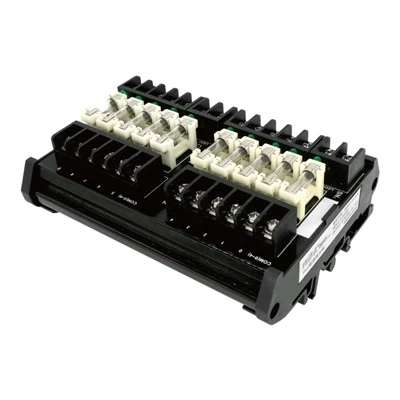

A rail-to-rail amplifier board is a crucial component in modern electronic circuits, offering several advantages that make it a popular choice among designers and engineers. As a reliable amplifier board supplier, I have witnessed firsthand the transformative impact of these boards on various applications. In this blog, I will delve into the advantages of rail-to-rail amplifier boards and explain why they are an excellent choice for many electronic systems.
1. Wide Output Voltage Range
One of the most significant advantages of a rail-to-rail amplifier board is its ability to provide an output voltage that can swing all the way to the power supply rails. Traditional amplifiers often have limitations in their output voltage range, which can lead to signal distortion or loss of information. In contrast, rail-to-rail amplifiers can operate over a much wider output voltage range, allowing them to handle signals with larger amplitudes without clipping.
This wide output voltage range is particularly important in applications where the input signals can vary significantly. For example, in audio amplifiers, the input signal can range from very low-level audio signals to high-level signals during loud passages. A rail-to-rail amplifier can accurately amplify these signals without distorting them, resulting in high-quality audio reproduction. Similarly, in sensor applications, the output of sensors can vary widely depending on the environmental conditions. A rail-to-rail amplifier can amplify these sensor signals without losing any information, ensuring accurate measurement and control.
2. High Signal-to-Noise Ratio (SNR)
Another advantage of rail-to-rail amplifier boards is their high signal-to-noise ratio (SNR). The SNR is a measure of the ratio of the signal power to the noise power in an amplifier. A high SNR means that the amplifier can amplify the signal while minimizing the amount of noise added to it. This is crucial in applications where the input signals are very weak, such as in medical devices, communication systems, and scientific instruments.
Rail-to-rail amplifiers are designed to have low noise characteristics, which helps to improve the SNR. They use advanced circuit techniques and high-quality components to minimize the internal noise generated by the amplifier. Additionally, the wide output voltage range of rail-to-rail amplifiers allows them to handle weak signals more effectively, further improving the SNR. By providing a high SNR, rail-to-rail amplifier boards can enhance the performance and reliability of electronic systems.
3. Low Power Consumption
In today's energy-conscious world, low power consumption is a critical factor in the design of electronic devices. Rail-to-rail amplifier boards are designed to operate with low power consumption, making them ideal for battery-powered devices and portable applications. They use advanced circuit topologies and low-power components to minimize the power dissipation while maintaining high performance.
The low power consumption of rail-to-rail amplifier boards not only extends the battery life of portable devices but also reduces the heat generated by the amplifier. This is important because excessive heat can degrade the performance of electronic components and reduce the reliability of the system. By using a rail-to-rail amplifier board with low power consumption, designers can create more energy-efficient and reliable electronic systems.
4. Compatibility with a Wide Range of Power Supplies
Rail-to-rail amplifier boards are designed to be compatible with a wide range of power supplies. They can operate from single or dual power supplies, and the power supply voltage can vary over a wide range. This flexibility in power supply requirements makes rail-to-rail amplifier boards suitable for a variety of applications, including those in which the power supply voltage may change or where different power supply configurations are required.
For example, in automotive applications, the power supply voltage can vary depending on the state of the vehicle's battery and the electrical load. A rail-to-rail amplifier board can operate reliably over this wide range of power supply voltages, ensuring consistent performance in all operating conditions. Similarly, in industrial control systems, different power supply voltages may be used for different parts of the system. A rail-to-rail amplifier board can be easily integrated into these systems, providing a flexible and reliable solution.
5. Small Size and High Integration
With the increasing demand for smaller and more compact electronic devices, the size and integration of electronic components have become important considerations. Rail-to-rail amplifier boards are available in a variety of package sizes, including small surface-mount packages, which allow for high-density integration on printed circuit boards (PCBs). This small size and high integration make rail-to-rail amplifier boards suitable for applications where space is limited, such as in mobile devices, wearables, and implantable medical devices.
In addition to their small size, rail-to-rail amplifier boards often incorporate multiple functions on a single chip, such as input buffering, output amplification, and filtering. This integration reduces the number of discrete components required in the circuit, simplifying the PCB layout and reducing the overall cost of the system.
Applications of Rail-to-Rail Amplifier Boards
The advantages of rail-to-rail amplifier boards make them suitable for a wide range of applications, including:
- Audio Systems: Rail-to-rail amplifier boards are used in audio amplifiers, preamps, and headphone amplifiers to provide high-quality audio reproduction with low distortion and high SNR.
- Sensor Interfaces: They are used to amplify the output signals of sensors, such as temperature sensors, pressure sensors, and accelerometers, ensuring accurate measurement and control.
- Communication Systems: Rail-to-rail amplifier boards are used in receivers, transmitters, and transceivers to amplify and process high-frequency signals with low noise and high gain.
- Medical Devices: In medical devices, such as electrocardiogram (ECG) monitors, blood pressure monitors, and glucose meters, rail-to-rail amplifier boards are used to amplify and process weak biological signals.
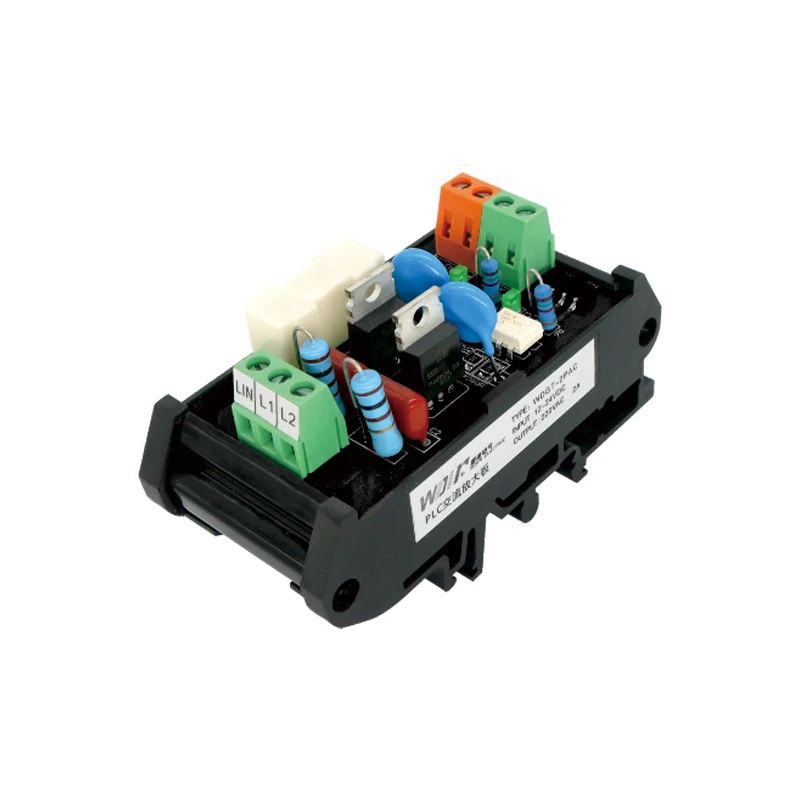
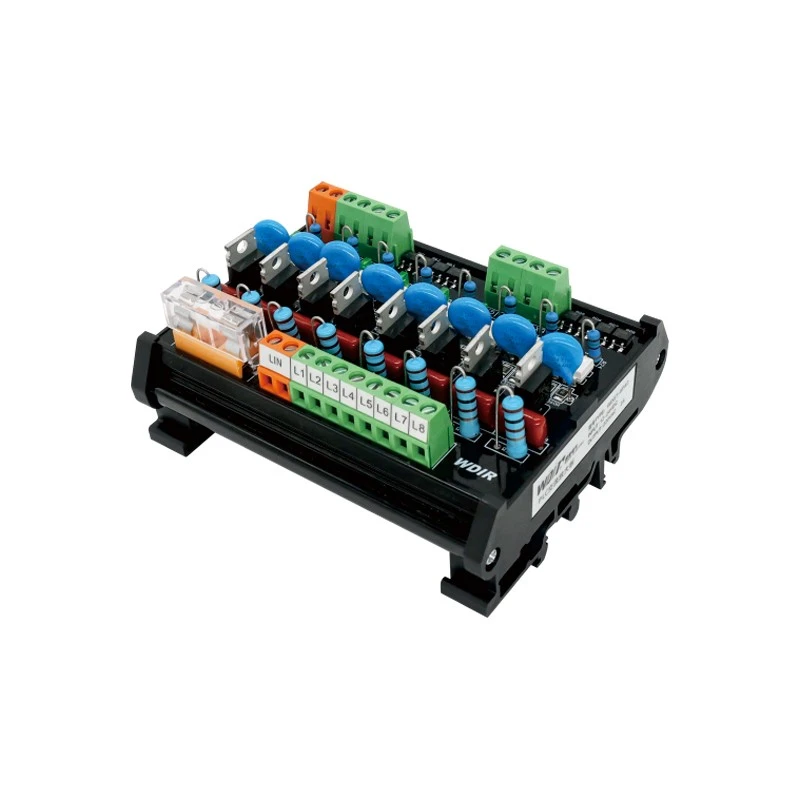
- Industrial Control Systems: They are used in industrial control systems, such as programmable logic controllers (PLCs), to amplify and process control signals. For those interested in specific amplifier board options for PLCs, we offer the PLC Fuse DC Amplifier Board and the PLC AC Amplifier Board.
Contact for Procurement and Discussion
If you are interested in leveraging the advantages of rail-to-rail amplifier boards for your projects, I encourage you to reach out to us. We offer a comprehensive range of high-quality amplifier boards that are designed to meet the diverse needs of our customers. Whether you are working on a small-scale prototype or a large-scale production project, our team of experts can provide you with the technical support and guidance you need to select the right amplifier board for your application. Please feel free to contact us to start a discussion about your procurement requirements.
References
- Op-Amp Applications Handbook, by Burr-Brown Corporation
- Analog Circuit Design: Art, Science, and Personalities, by Tony Chan Carusone, David Johns, and Ken Martin
- The Art of Electronics, by Paul Horowitz and Winfield Hill