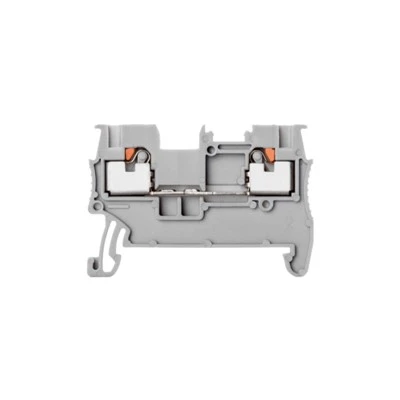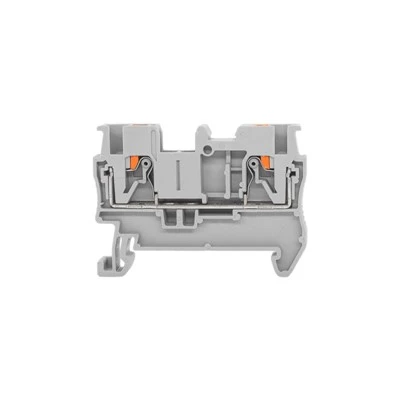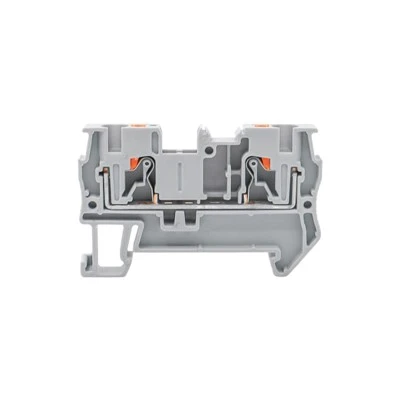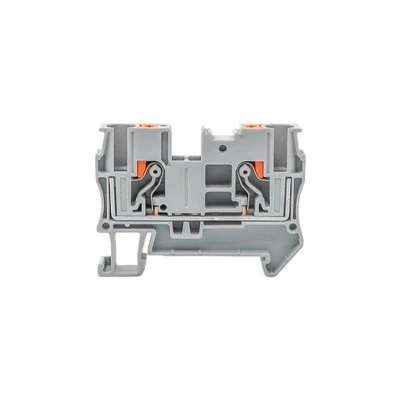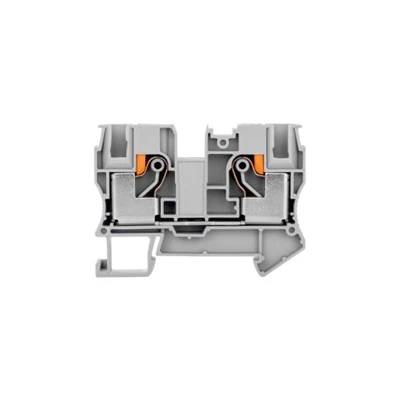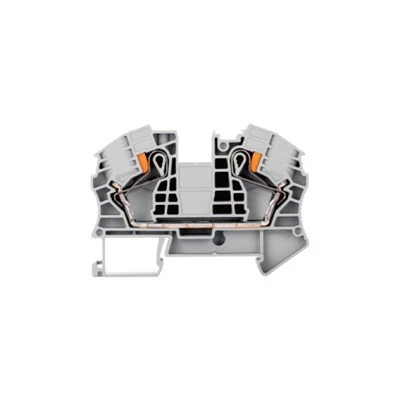
As a type of connector, the terminal block is a vital component in the electrical industry, playing an indispensable and critical role. Since maintenance personnel typically begin their inspections at the interface-specifically the terminal-the design of the terminal block is of particular importance.
Product design is a comprehensive process encompassing standards, materials, structure, plating, certifications, tooling, and manufacturing techniques; terminal block design is no exception.
Product standards serve as the overarching guiding principle for almost all design considerations. Our terminal designs primarily adhere to UL and CSA standards, though other standards may be referenced for specific electrical parameters, such as high- and low-temperature testing.
Material selection directly impacts overall product performance and is a key aspect of design. Taking plastic materials as an example: if the design requires UL94 V-0 flame retardancy, one must carefully review the technical specifications in the material data sheets to ensure compliance with product standards-such as passing impact voltage withstand and aging tests. Regarding metal components, the selection of material for the contact spring (or pressure plate) is especially critical; this component must provide both sufficient electrical conductivity (current-carrying capacity) and adequate elasticity. This dual requirement presents a challenge for engineers, yet it also represents a key trend that connector manufacturers are pursuing in the development of elastic components, with many metal suppliers actively working in this area. Conductivity directly affects temperature rise and contact resistance, while elasticity depends on factors such as chemical composition, Young's modulus, hardness, and tensile strength; Young's modulus is typically calculated using the Fourth Strength Theory from mechanics of materials. Higher conductivity results in lower contact resistance and reduced temperature rise. Mating force and contact resistance follow a quadratic relationship. Contact resistance comprises three main components: constriction resistance, film resistance, and bulk resistance (the resistance of the conductor itself). Film resistance accounts for 70–80% of the total resistance and is a primary factor affecting connector lifespan, requiring significant attention. For instance, when comparing gold and silver plating: although silver offers higher conductivity than gold, its chemical stability is inferior, leading to significantly higher film resistance. Understanding these relationships provides essential guidance for material selection and serves as a prerequisite for effective product design.