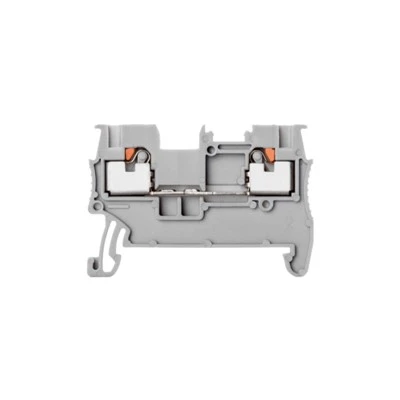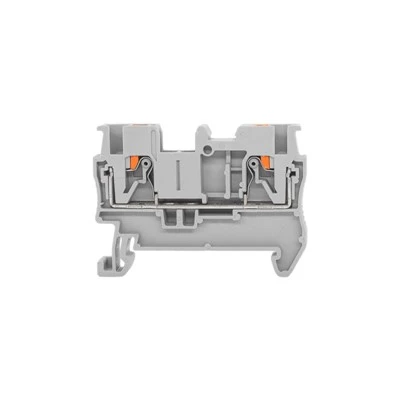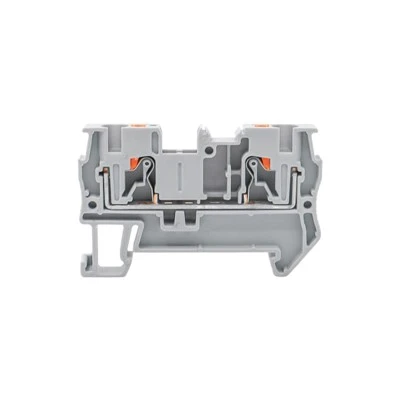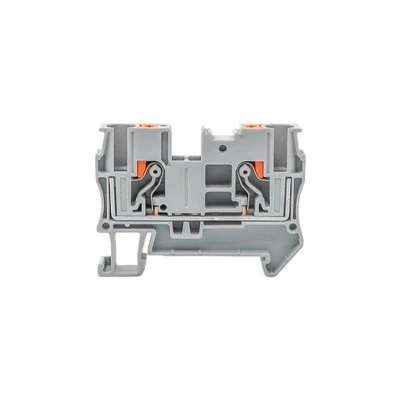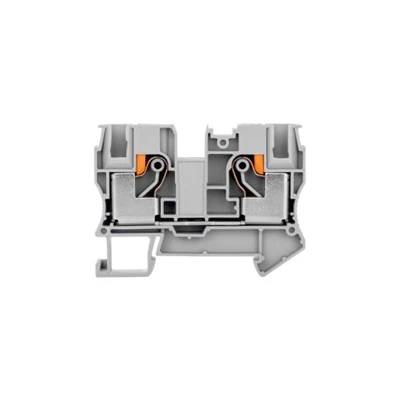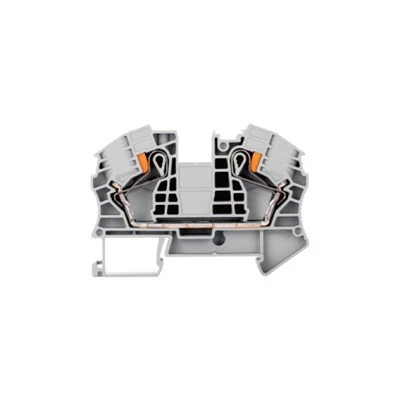
Connectors can be recycled, primarily through two pathways: direct reuse (for intact parts) and material recycling (disassembly to recover metals and plastics).
Direct Reuse: Connectors that are intact in appearance, have undamaged pins, and pass electrical performance tests can re-enter the market as second-hand parts after cleaning and inspection; they are suitable for repair or low-end assembly applications.
Material Separation and Recycling: Connectors are shredded or thermally disassembled to separate them into metal components (such as copper and gold/silver-plated contacts) and plastic components (such as engineering plastic housings), which then undergo smelting or pelletizing processes, respectively.
Precious Metal Recovery: For connectors containing gold- or silver-plated contacts, precious metals such as gold, silver, and palladium are extracted using compliant hydrometallurgical or pyrometallurgical processes; this is a critical step in the high-value recovery of electronic waste.