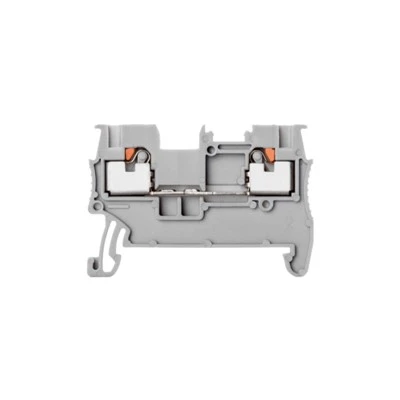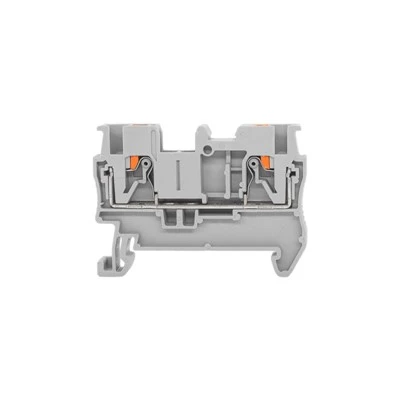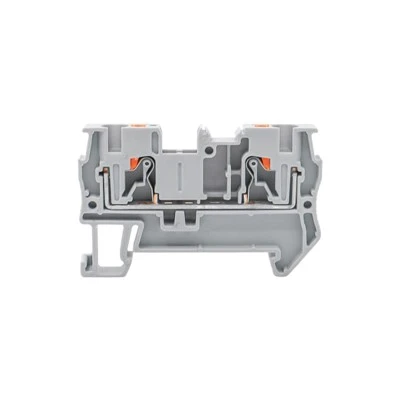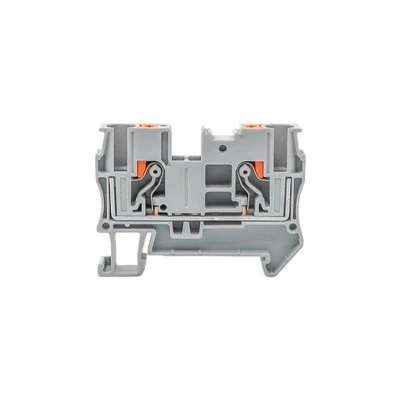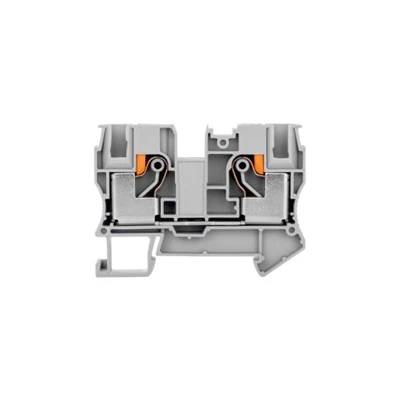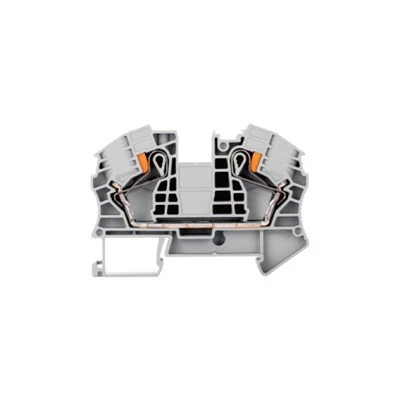
A connector-also known as an electrical connector or connecting component-is an electromechanical device used to establish or break circuit connections within electronic equipment. Acting as a node, it facilitates the transmission of electrical current or optical signals between devices, components, equipment, and subsystems-either independently or in conjunction with cables-while ensuring signal integrity and minimizing energy loss. It is an essential component for interconnecting entire electronic systems.
The basic structure of a connector typically comprises contacts, an insulator, a housing, and accessories. Contacts are the core elements responsible for the electrical connection function, generally consisting of a mating pair of male and female contacts; the insulator serves to isolate the contacts while providing mechanical support and protection; the housing acts as the outer shell; and accessories include both structural and mounting components.
Connectors can be classified in various ways: by transmission medium (e.g., electrical, microwave/RF, optical, and fluid connectors); by structural form (e.g., circular, rectangular, board-to-board, and wire-to-board connectors); and by frequency (high-frequency vs. low-frequency) or application (e.g., power, signal, and data connectors).
Serving as the "neural hubs and connection points" for signal transmission systems, connectors are widely used in key sectors such as telecommunications, automotive, consumer electronics, industrial control, aerospace, medical equipment, and national defense, making them critical foundational components in the electronic information manufacturing industry.