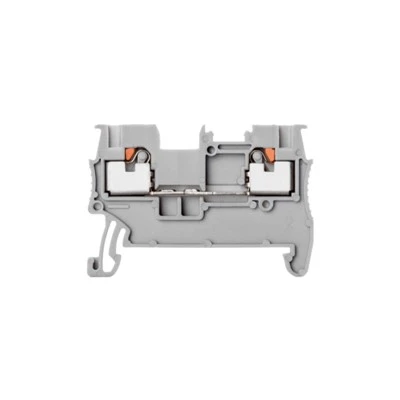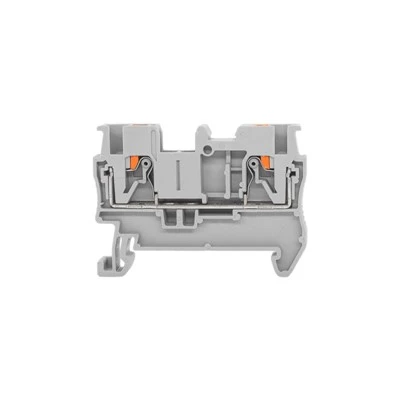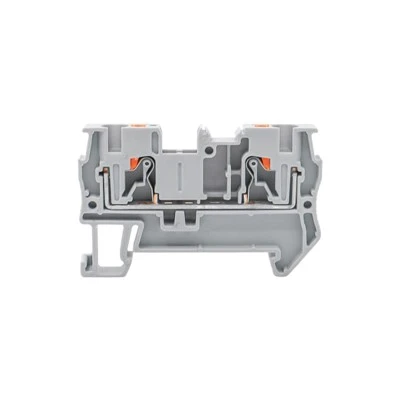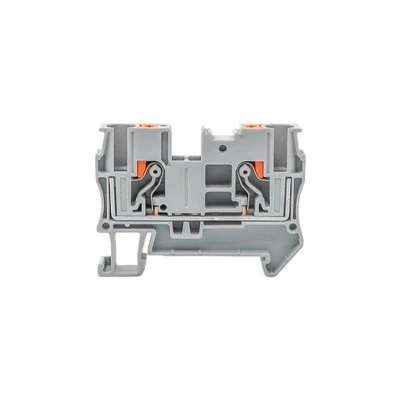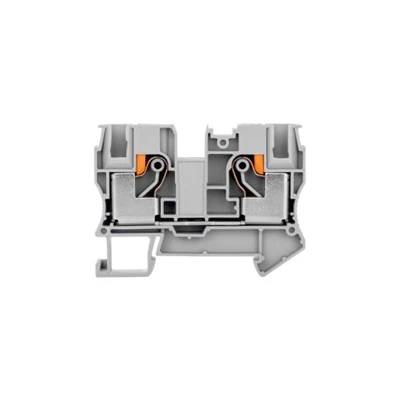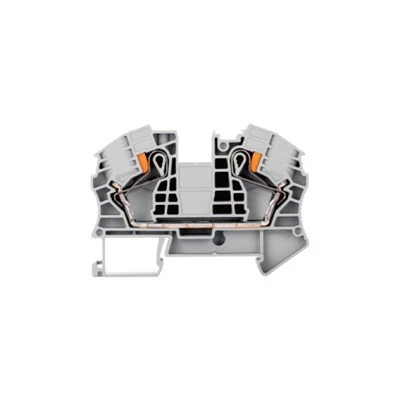
Push-button switches are common control components, and the materials used in their construction determine their performance and characteristics. Here is an overview of the materials used in push-button switches:
1. Plastic Materials: The cap and housing of a push-button switch are typically made of plastic. This material offers good insulation, lightweight properties, and water resistance. Plastic push-button switches are suitable for most low-current applications, such as home appliances, instrumentation, and electronic equipment. Common plastics include polycarbonate and nylon; these materials not only possess excellent physical and chemical properties but are also relatively cost-effective.
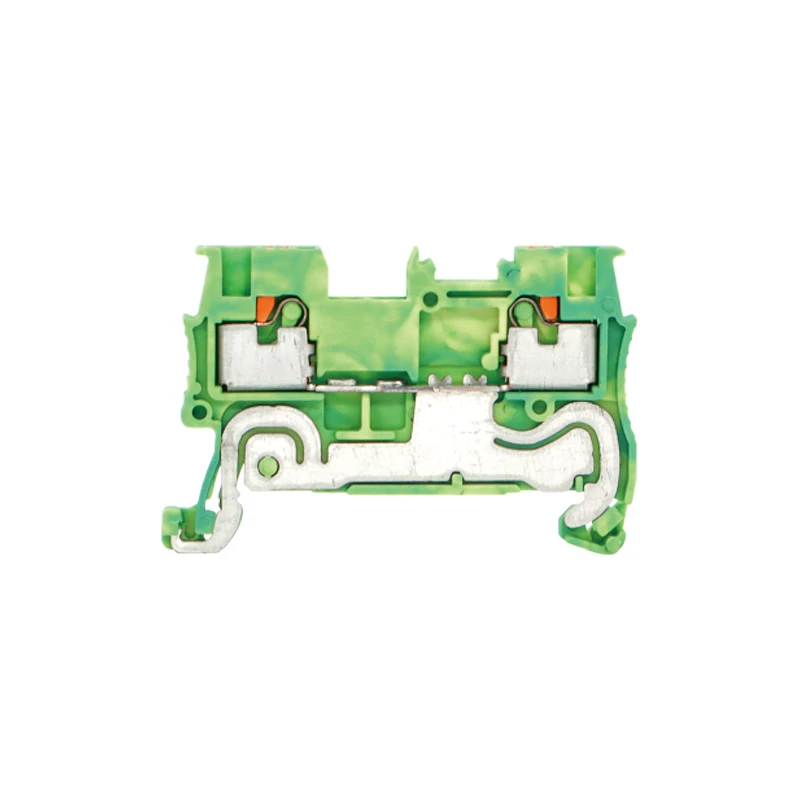
2. Metal Materials: The base and contact components of push-button switches are usually made of metals such as copper, silver, or stainless steel. Metals provide excellent electrical conductivity and mechanical strength, ensuring smooth current transmission and structural integrity for the switch. Metal materials also offer good corrosion resistance and durability, allowing the switch to operate reliably in harsh environments.
3. Materials for Special Applications: In certain specialized scenarios, push-button switches may require specific materials, such as those resistant to high temperatures or ultraviolet (UV) radiation. These specialized materials meet the demands of specific environments, ensuring the switch's performance and safety.
In summary, push-button switches utilize both plastic and metal materials, each offering unique properties and advantages. Plastic materials are characterized by good insulation, light weight, and water resistance, while metal materials provide excellent conductivity, mechanical strength, and corrosion resistance. The use of these diverse materials ensures the reliability and safety of push-button switches across a wide range of applications.