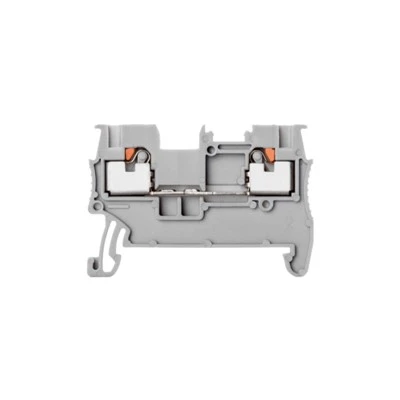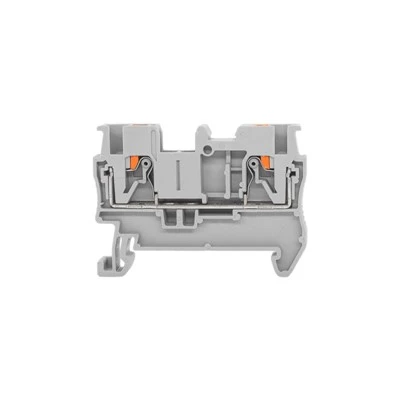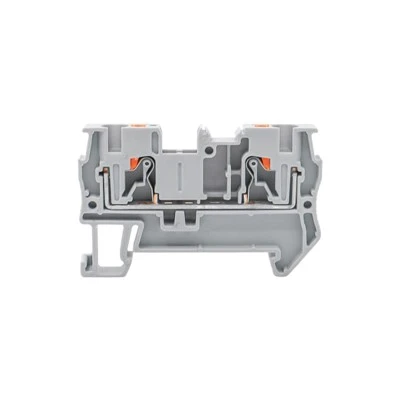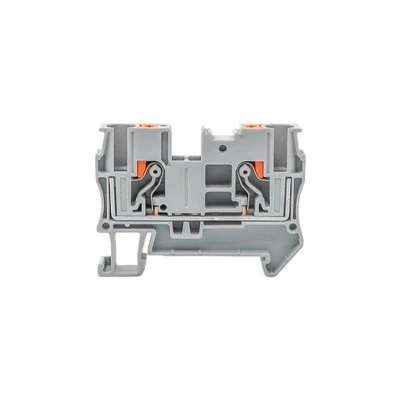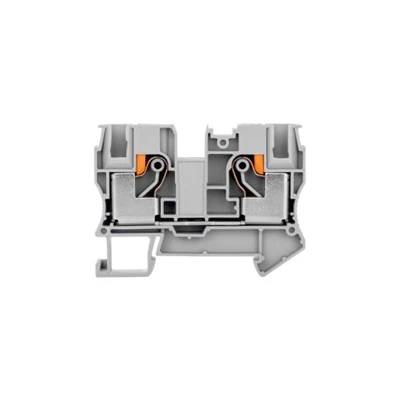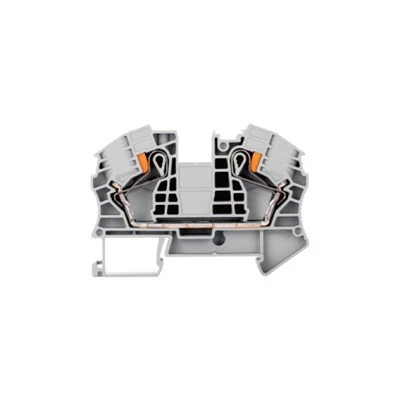
With the growing emphasis on environmental protection, meeting environmental standards for terminal blocks has become essential. Terminal blocks must comply with relevant safety and environmental standards during both design and use. Adherence to these standards ensures confidence in purchasing and using the products, while also mitigating potential safety hazards. Manufacturers typically design their products in accordance with standards such as GB/T 5095-1997 (Electromechanical components for electronic equipment-Basic testing procedures and measuring methods), UL486E, and UL1059. Proactive measures-such as using halogen-free flame retardants, non-toxic conductor insulation, and lead-free plating-are all responses to these requirements.
High-quality terminal blocks are aesthetically pleasing, often resembling fine craftsmanship; many companies recognize that product appearance and user-friendliness play a crucial role. Since terminal blocks are frequently installed on the front panels of equipment-making them highly visible-marketing teams often have a say in their visual design.
Insulation components must be made of flame-retardant engineering plastics, and conductive parts must use copper rather than iron. The plastic insulation and conductive components directly determine the quality of the terminal block, specifically dictating its insulation and electrical conductivity performance. The failure of a single terminal block can lead to the failure of the entire system. Thread machining is a critical factor; if the threads are poorly machined or fail to meet torque specifications, the terminal block cannot effectively secure the connected wires. This refers to the threading on the terminal block designed to connect with field fittings-such as the standard thread specifications used for cable glands on two-wire transmitters in industrial settings.
Design, material selection, and manufacturing processes are the three core factors influencing the quality of terminal blocks. Mastering these aspects is a prerequisite for manufacturers to gain a competitive edge in the market.