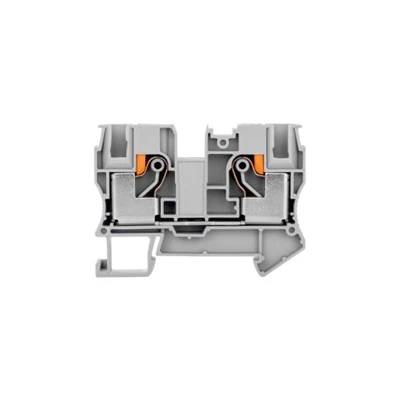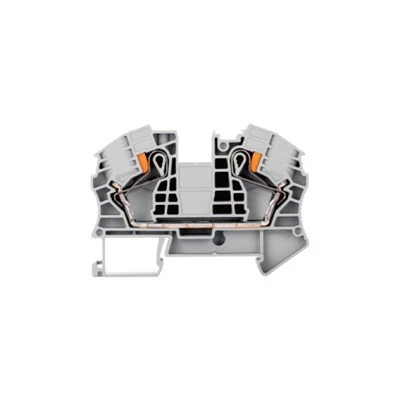
Selecting the right terminal block requires a comprehensive consideration of various factors, including electrical parameters, the operating environment, and installation requirements.
Electrical Parameters
Rated Voltage: Select a terminal block with a rated voltage higher than the actual operating voltage to ensure safety and reliability. For example, if the circuit operates at 220V, choose a terminal block rated for at least 250V.
Rated Current: Select based on the current flowing through the terminal block, ensuring it can handle the required load. For higher currents, choose a terminal block with a larger cross-sectional area to prevent overheating and burnout.
Short-Circuit Withstand Capability: Consider the current and duration the terminal block can withstand during a short-circuit event to prevent damage caused by such faults.
Environmental Conditions
Temperature Range: Determine the operating temperature range of the environment where the terminal block will be used and select a product capable of functioning correctly within that range. For instance, choose high-temperature resistant terminal blocks for hot environments, and consider cold resistance for low-temperature environments.
Humidity and Corrosiveness: If the operating environment is humid or contains corrosive substances, select terminal blocks with moisture-proof and corrosion-resistant properties to extend their service life.
Mechanical Stress: Consider the mechanical stresses-such as vibration or shock-that the terminal block may be subjected to during installation and operation. Select terminal blocks with sufficient mechanical strength and stability to prevent loosening or detachment.