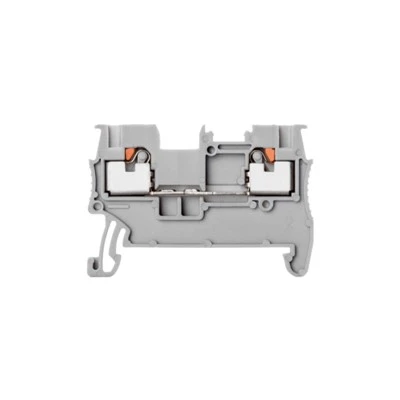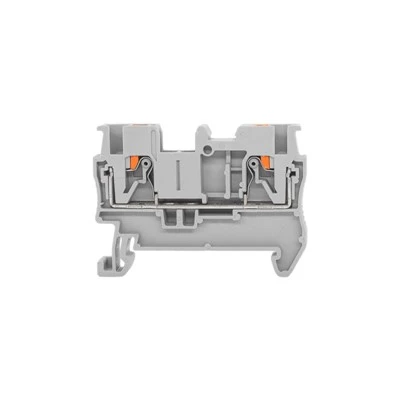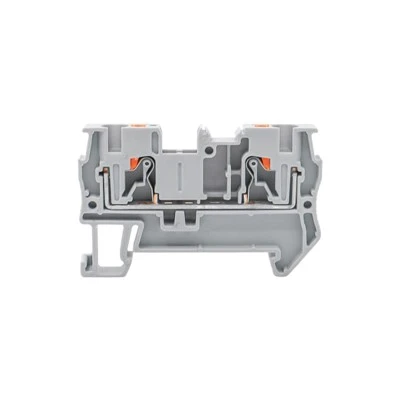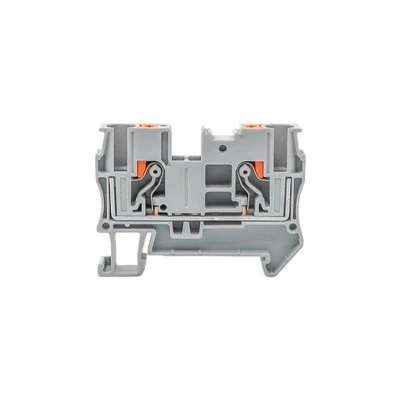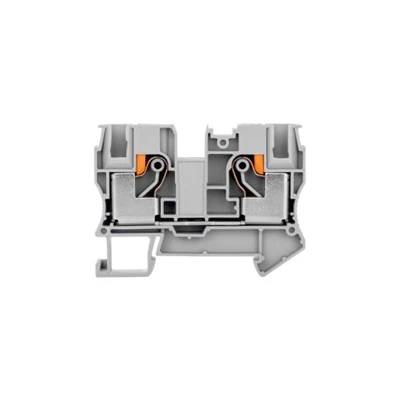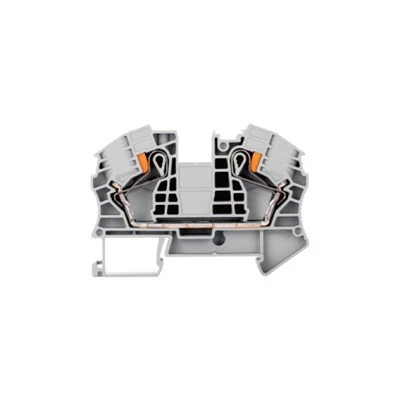
In Europe, the current rating of a component is determined by monitoring the temperature rise of the metal conductor as current increases. The current level that causes the metal pin's temperature to rise 45°C above the ambient temperature is designated as the device's rated current (or maximum current). IEC specifications also define a "permissible current" value, which is 80% of the maximum current. In contrast, UL standards define the nominal current rating as 90% of the current that causes a 30°C temperature rise above ambient.
This highlights the critical importance of the metal conductor's temperature across all applications-and especially for industrial equipment, which often operates in environments with ambient temperatures reaching 80°C. If a terminal block's temperature rises an additional 30°C or 45°C above that ambient level, the component's temperature will exceed 100°C. Depending on the specific rating standard and insulation materials used, products must operate at currents below their rated values to ensure reliable performance within the desired temperature range. In some cases, materials suitable for compact packaging may not dissipate heat effectively, requiring the terminal block to operate at a current significantly lower than its rated value. This underscores the importance of selecting the right terminal block model.
As businesses globalize and design systems for worldwide markets, engineers increasingly utilize terminal block products manufactured in other countries. Given the European approach to nominal ratings, it is common practice in Europe to operate devices below their nominal ratings. However, many U.S. designers are unfamiliar with this concept; a lack of understanding regarding the differences between these standards can lead to significant challenges during the design process.