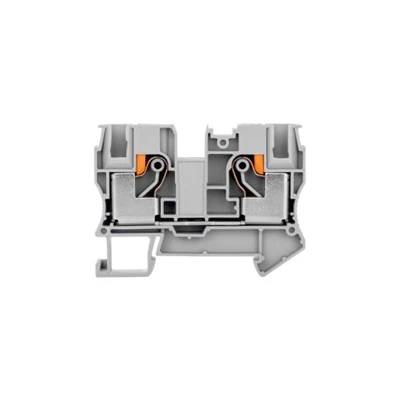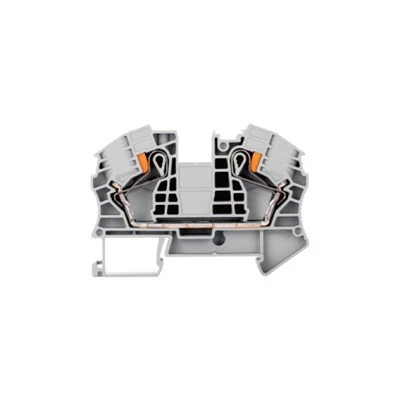
Analysis of Core Connector Functions
Connectors operate based on a dual mechanism involving mechanical contact and electrical transmission. Typically consisting of a male end (plug) and a female end (receptacle), they establish a conductive path through the physical mating of metal contacts (made of materials such as copper or phosphor bronze). Modern connectors also incorporate features such as signal shielding, waterproofing, dust resistance, and high-temperature tolerance; for instance, gold-plated contacts reduce contact resistance and enhance signal transmission stability, while symmetrical designs-seen in connectors like Type-C-allow for reversible insertion, simplifying user operation.
Furthermore, connectors must meet rigorous electrical specifications-such as rated current (e.g., 5A), operating voltage (e.g., 20V), and insulation resistance (typically ≥100 MΩ)-to ensure stable performance in complex electromagnetic environments.