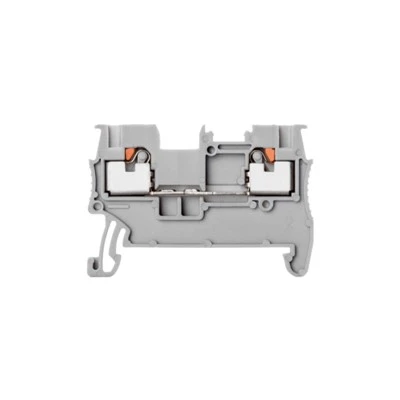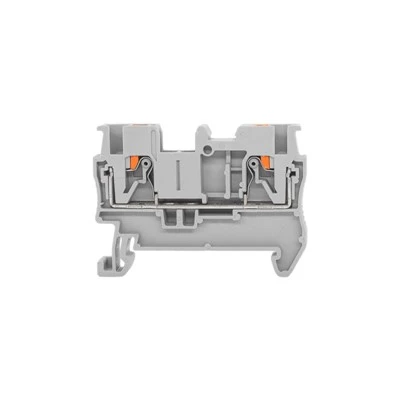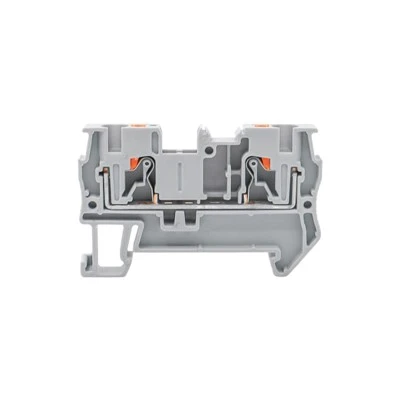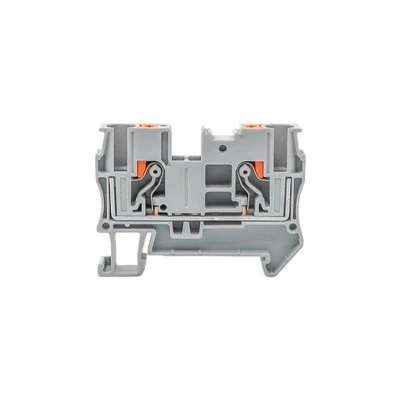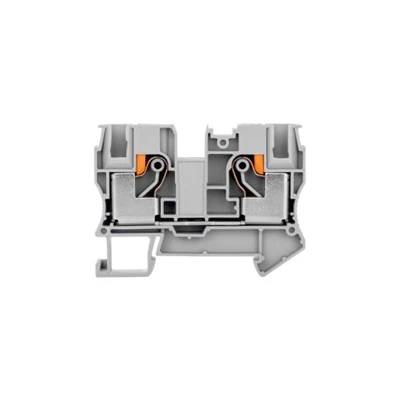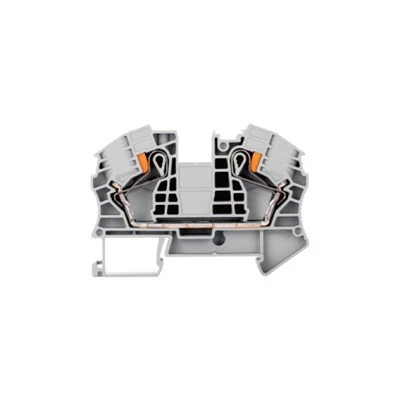
A connector-also known as an electrical connector-is an electromechanical component used to establish or break circuit connections within electronic equipment; it serves as the "nerve center and junction point" of electrical signal transmission systems. Its basic structure primarily consists of contacts, an insulator, a housing, and accessories.
The fundamental performance characteristics of connectors fall into three main categories: mechanical performance, electrical performance, and environmental adaptability. Mechanical performance primarily encompasses mating/unmating forces and mechanical lifespan. Electrical performance includes contact resistance, insulation resistance, dielectric strength (voltage withstand), and electromagnetic characteristics (such as interference resistance and shielding capability). Environmental adaptability covers requirements regarding resistance to temperature, humidity, salt spray, vibration, and shock.
Connectors can be classified in various ways. Based on the transmission medium, they are categorized into electrical, microwave/RF, optical, and fluid connectors. Based on structural form, they include circular, rectangular, board-to-board, wire-to-board, and wire-to-wire connectors. Based on application scenarios and functions, they are classified into industrial, automotive, high-speed, RF, and power connectors. Fiber optic connectors constitute a major subset of optical connectors; they are classified by structure (e.g., FC, SC, ST, LC, MU) and by fiber end-face geometry (e.g., PC, UPC, APC).
Connector selection requires a comprehensive assessment of application requirements, electrical performance, mechanical characteristics, and environmental adaptability. The specific application field (such as automotive, medical, or industrial automation) dictates specific connector requirements (e.g., automotive-grade standards or high ingress protection ratings). Key electrical parameters include rated voltage, rated current, contact resistance, and insulation resistance. Mechanical characteristics include mating/unmating forces, mechanical lifespan, and the number of contact pairs. Environmental adaptability ensures stable operation under specific conditions of temperature, humidity, vibration, and salt spray exposure. Additionally, cost, maintainability, and design flexibility are important factors to consider during the selection process. Fiber optic connector technology continues to evolve; for instance, new connectors based on EBO (Expanded Beam Optics) technology utilize the principle of beam expansion coupling to significantly enhance dust tolerance and alignment tolerance while reducing assembly complexity, making them suitable for outdoor and harsh environments.