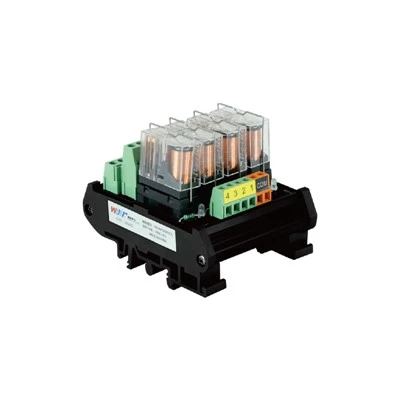

When you run a screw terminal block supply business, I’ve seen first-hand how even a small mistake in installation or maintenance can turn a simple electrical connection into a costly disaster. Short-circuits are one of the most common culprits here—they don’t just fry equipment, they can lead to downtime, safety hazards, and even property damage. Over the years, I’ve worked with industrial teams, electricians, and maintenance managers to nail down practical, science-backed steps to protect screw terminal blocks from these failures. If you’re using screw terminals for power distribution, control circuits, or high-current applications, these tips are tailored to keep your connections safe and reliable.
First, let’s ground ourselves in why short-circuits happen to screw terminal blocks. Unlike soldered connections, which bond wires permanently, screw terminals rely on mechanical pressure to hold conductors in place. If that pressure is too loose, wires can shift, stray strands can escape, or dust and debris can build up between connections. If it’s too tight, you risk nicking wire insulation or warping the terminal’s metal housing, which creates gaps that let conductive material bridge two circuits. Add in environmental factors like moisture, corrosion, or vibration from heavy machinery, and you’ve got a recipe for a short. As a supplier, we design products to minimize these risks, but proper use and care are just as critical as the parts themselves.
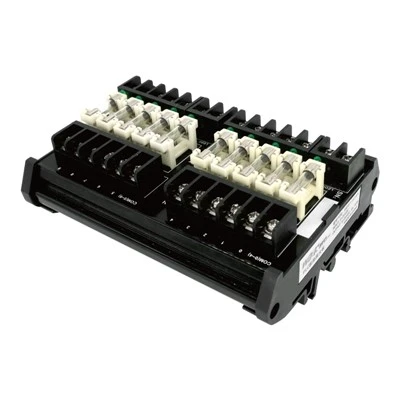
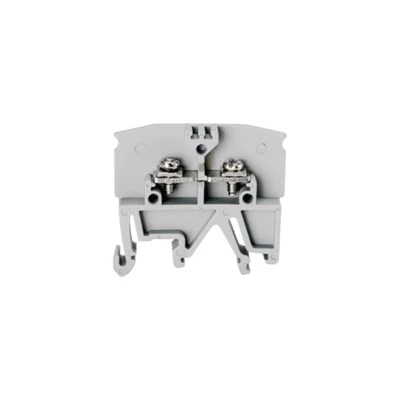
One of the most basic yet most overlooked steps is choosing the right type of screw terminal block for your application. You wouldn’t use a standard low-current terminal for a 50-amp motor circuit, right? That’s why we stock a range of specialized options to match specific needs. For general control cabinet setups, our Control Cabinet Terminal blocks are engineered to fit neatly into standard enclosures, with molded insulation that creates physical barriers between adjacent terminals to prevent accidental bridging. For high-power systems, our High Current Terminal blocks feature thicker copper conductors and insulated partitions rated for higher voltage, so they handle more amperage without risking cross-circuit contact. And if you need to join multiple conductors in a single line, our Screw Feed Through Terminal blocks let you connect wires end-to-end without exposed gaps. Even if you’re working with a smaller setup, our Screw Terminal Boxes come with pre-installed insulation gaskets that add an extra layer of protection against dust and accidental contact. Picking the wrong product for the job is the fastest way to set yourself up for a short-circuit—so take time to match your terminal to your load, and don’t hesitate to reach out if you need help picking the right fit.
Next, proper installation is non-negotiable. I’ve seen electricians cut corners here, like stripping too much insulation from the wire or over-tightening the screw. Let’s break down the details. When stripping a wire, aim for about 6 to 8 millimeters of bare conductor—any longer, and stray strands can stick out past the screw’s grip, bridging two terminals. Too short, and the wire won’t make a solid connection, leading to overheating that can degrade insulation over time. When tightening the screw, use a torque wrench set to the manufacturer’s specification (usually around 0.8 to 1.2 Newton-meters for standard screw terminals). A lot of people guess, but that’s a mistake—over-tightening can crack the terminal’s nylon housing or deform the clamp, creating gaps, while under-tightening lets the wire move, leading to loose connections that spark or short. We print torque guidelines right on the packaging of every terminal we ship, so don’t ignore that info. Another installation tip: keep adjacent terminals separated by insulation or barriers, especially in high-vibration areas. Vibration can cause wires to shift, so using terminal blocks with built-in barriers (like the ones in our High Current Terminal line) eliminates the need for extra DIY tape that can peel or wear away over time.
Environmental protection is another key line of defense against short-circuits. Screw terminal blocks in industrial settings are exposed to all sorts of things: dust, oil, moisture, and corrosive chemicals. All of these can turn a non-conductive surface between terminals into a conductive one over time. For example, dust mixed with moisture can create a thin film that bridges two terminals, leading to a short. To fight this, use enclosures or covers rated for your environment. Our Screw Terminal Boxes are designed to be mounted in enclosures that seal out dust and water, with IP ratings that make them suitable for indoor and outdoor use. For control rooms or areas with high humidity, adding a desiccant pack inside the enclosure can absorb moisture and prevent corrosion on terminal contacts. If you’re working in a location with corrosive fumes (like chemical plants), look for terminal blocks with tin-plated copper contacts—we offer that as an option across our Control Cabinet Terminal and High Current Terminal lines, since tin plating resists rust and corrosion much better than bare copper. Also, regularly inspect enclosures for damage—even a small crack can let in moisture or debris that leads to a short.


Maintenance is where most systems slip up. You can install a terminal block perfectly, but if you skip regular checks, problems will creep in. How often you should inspect depends on your environment: for heavy industrial settings with vibration or dust, check every 3 months. For mild indoor use, once a year is enough. When you inspect, look for three main things: loose screws, frayed insulation, and buildup on terminals. Test screw tightness with a torque wrench—even a few millimeters of movement can mean the screw has loosened from vibration. If you find loose connections, re-torque to spec, but don’t just over-tighten to “fix” it. For insulation, check for cracks or tears, especially around the wire entry points—any damage there can expose conductors and lead to shorts. For buildup on terminals, use a dry, lint-free cloth to wipe away dust or oil, and avoid solvents that can damage insulation. If you see corrosion, gently scrub it with a stiff-bristled brush and a small amount of isopropyl alcohol (at least 70% concentration), then dry thoroughly. Also, make sure stray wires or tools don’t get dropped near terminals during maintenance—accidental contact with a live terminal is a major cause of short-circuits, so keep work areas clear.
Let’s talk about specific scenarios where short-circuits are common, and how to avoid them. High-current applications, for example, are especially high-risk because more amperage means more heat and a higher chance of a damaging short. That’s why our High Current Terminal blocks are designed with larger contact areas and thicker insulation, but you still need to match the wire gauge to the terminal size. Using a wire that’s too small for a high-current terminal can cause overheating, which softens insulation and leads to conductor contact. Another common scenario is control circuits in machinery, which are exposed to constant vibration. For these, our Screw Feed Through Terminal blocks provide a secure, low-profile connection that resists shifting, and pairing them with lock washers on the screw adds extra stability. If you’re working with flexible wires (like stranded copper), be sure to tin the ends before inserting them into the terminal—tinning prevents strands from fraying and escaping, which is a top cause of short-circuits in flexible connections.
As a screw terminal block supplier, I’ve helped hundreds of customers troubleshoot short-circuit issues, and almost every time, the root cause isn’t the product itself—it’s how it’s installed, used, or maintained. That’s why we don’t just sell terminal blocks; we work with our clients to make sure they’re using the right product for their needs and setting it up correctly. If you’re dealing with recurring short-circuits, or you’re not sure which terminal block is best for your application, don’t hesitate to reach out. We can walk you through product specs, torque guidelines, and maintenance tips to keep your system safe. Whether you need a small batch of Control Cabinet Terminals for a residential project or high-volume High Current Terminal blocks for a factory automation line, we’ve got the solutions to fit your needs.
Protecting your screw terminal blocks from short-circuits isn’t complicated—it’s about choosing the right product, installing it correctly, shielding it from the environment, and maintaining it regularly. Skip any of these steps, and you’re putting your equipment and safety at risk. If you’re ready to upgrade your terminal blocks or troubleshoot current issues, contact our team today to talk through your requirements. We’re here to make sure your connections stay reliable and short-circuit-free, every time.
References
- National Electrical Code (NEC) Handbook, Article 408 (Electrical Distribution Board and Switchboards), National Fire Protection Association, 2023.
- IEC 60947-7-1: Low-voltage switchgear and controlgear – Part 7-1: Terminal blocks for copper conductors, International Electrotechnical Commission, 2020.
- Occupational Safety and Health Administration (OSHA) Standard 1910.303 (Electrical Systems Design), U.S. Department of Labor, 2022.
- Terminal Block Installation and Maintenance Best Practices, Allen-Bradley Technical Publication TP-1001, Rockwell Automation, 2021.